Why Sliding Door Repair and Electrostatic Painting for Railings Is Important

Metal railings and sliding doors are often exposed to daily wear and tear. Doors get grit in the tracks, and the rollers wear down from opening and closing again and again. On the other hand, railings are exposed to rain, humidity, and sunlight. This can cause the paint to deteriorate while exposing the underlying metal to corrosion.
This
blog explains how regular repair and
maintenance of sliding doors can help ensure smooth business operation
and how electrostatic painting can successfully protect suitable metal railings
while improving their appearance.
Common
Sliding Door Problems and Their Causes
Most
of the sliding doors often face a list of complaints. In some cases:
●
The panels stick
●
Rollers grind
●
Tracks jam
●
Doors sit crooked in the frame
●
Locks no longer meet the latch
Moreover,
dust, sand, and small debris often get packed into the track, and it forces the
rollers to work harder. Over time, the
rollers get flattened or crack, and the door panel starts to drag.
That’s
where finding the real cause behind the problem matters. A sticking door may
need a cleaned track, or even an adjusted roller. Sometimes new hardware or
else a spray lubricant on a worn part only hides the problem.
Repair
and Maintenance of Sliding Doors
Repair and maintenance of sliding doors
need proper and routine care. Only then can these doors prevent most failures.
●
Vacuum the loose dirt from the track, and then
wipe it clean.
●
Check the rollers, handles, locks, and weather
seals for cracks or wear.
●
Slide the panel slowly and watch whether it
travels evenly. Rubbing on one side usually means the rollers need adjusting.
●
Use only the lubricant the manufacturer
recommends, since the wrong product attracts dust.
Bent
tracks, loose frames, and even persistent misalignment need the complete
assistance of a technician. Glass panels are comparatively heavy and often get
shattered if mishandled. That’s why leaving the removal to professionals is
considered much better. Doors near dusty roads or damp air need these checks
more often, so set your schedule by exposure.
Electrostatic
Paint in Railings
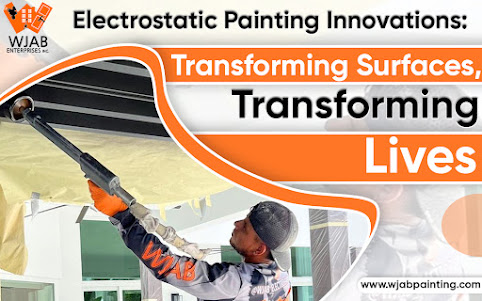
Electrostatic
painting in railings applies an electrical charge to paint
particles as they leave the spray gun. The metal railing is grounded, creating
a strong attraction that helps the charged particles adhere to a surface. This
method is well-suited for the stair railings, balcony railings, gates, and
decorative metalwork, where multiple bars, edges, and even the curved sections
can make a uniform coating challenging.
Electrostatic
attraction can even improve the paint transfer with complete coverage on
suitable surfaces, although the results always depend on the railing’s
geometry, coating type, equipment, and application technique. Proper surface
preparation also plays an essential role. Dirt, grease, rust, and loose paint
must be addressed before the application to support coating adhesion and a
consistent finish.
Surface
Preparation and the Painting Process
Surface preparation and
the painting process follow a different process:
- Inspect the railing for rust, flaking
paint, and dents.
- Remove the dirt, grease, and other residue from the surface and
railing.
- Strip failing coatings and treat corrosion, because paint over
rust lifts again.
- Cover the nearby walls, floors, and glass.
- Apply a compatible coating with
electrostatic equipment.
Work
in a ventilated space and wear protective gear, since paint mist and solvents
are harmful to breathe.
Conclusion
Regular
repair and maintenance of sliding doors
often come down to cleaning the tracks, lubricating rollers, and even movement.
Electrostatic paint in railings
performs best when the metal is properly prepared and the coating is then
applied under controlled conditions. However, in both cases, the method should
suit the material and its condition to bring the best results.


Comments
Post a Comment